Trying to decide between a townhome and a single-family home in Market Common? You are not alone. This walkable Myrtle Beach district offers both options in a coastal setting, each with a distinct lifestyle and cost profile. In this guide, you will learn how these property types compare on space, upkeep, rules, insurance, financing, rental potential, and resale so you can choose with confidence. Let’s dive in.
Market Common lifestyle at a glance
Market Common is a planned, mixed-use community within the City of Myrtle Beach. You will find homes woven around shops, restaurants, parks, and civic spaces. The area is known for being pedestrian friendly and relatively urban compared with many parts of Horry County.
Living here means quick access to beaches, trails, and everyday services. That convenience helps townhomes and condos shine for low-maintenance living. At the same time, detached homes offer yard space and privacy if that better fits your lifestyle.
Townhome vs single-family: quick comparison
Townhome
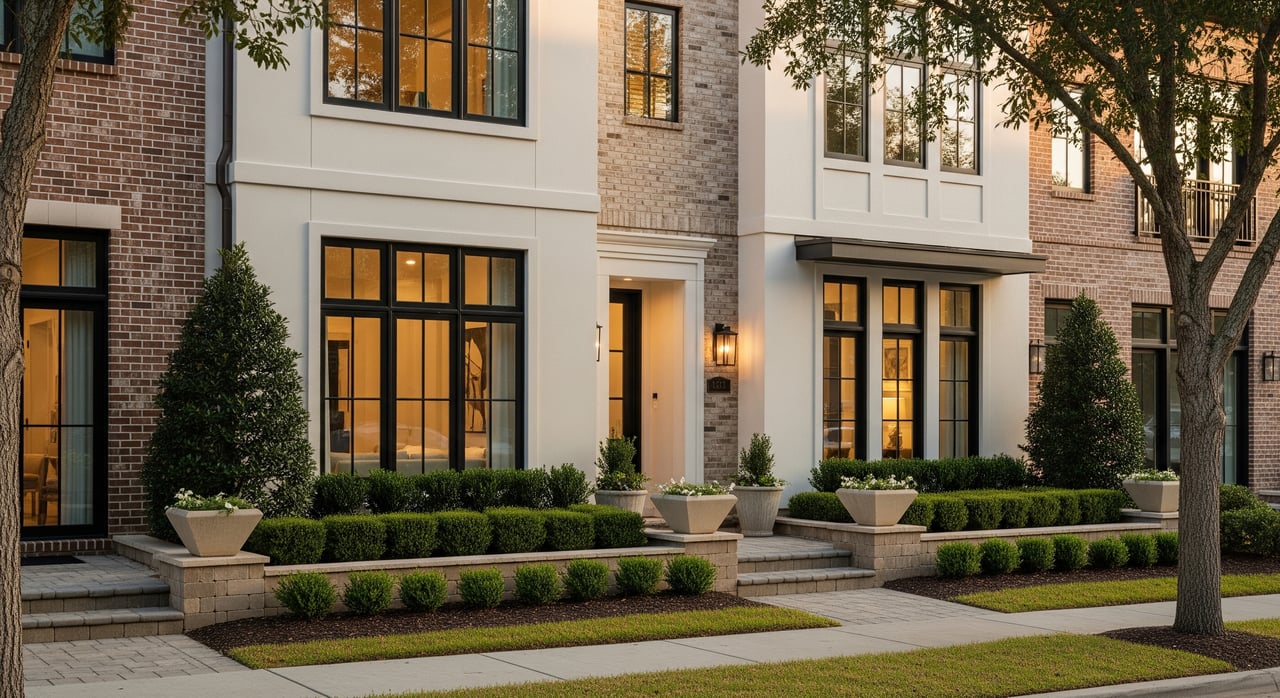
- Attached living with a smaller land footprint and often two or three stories.
- Emphasizes walkability and proximity to Market Common’s dining and parks.
- Yard and exterior areas are often handled by the HOA, which you fund through dues.
- Less private outdoor space and shared walls that may affect noise.
Single-family home
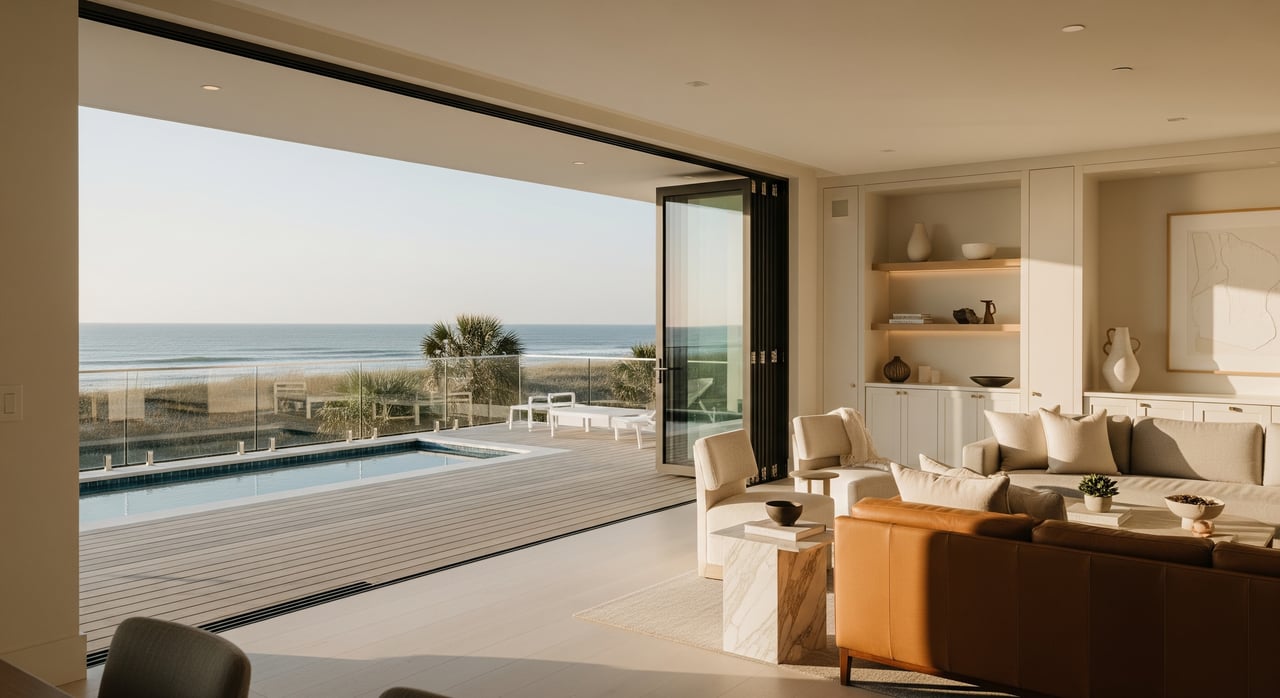
- Detached structure on a private lot with more outdoor space and separation.
- Often suits buyers who want a private yard, storage, or potential expansions where permitted.
- No HOA dues in many cases, though some subdivisions may have an HOA with rules.
- More maintenance responsibility for the owner.
Costs and maintenance in Myrtle Beach
HOA dues and what they cover
Townhome communities in Market Common commonly include exterior maintenance in the HOA scope. Items can include roofing, siding, landscaping, and common areas. Dues vary by community. You should review the current budget, reserve studies, and recent meeting minutes to understand coverage, reserves, and any special assessments.
Single-family upkeep
For detached homes, you are usually responsible for the roof, exterior, landscaping, and hardscaping. Even if there is an HOA, it often focuses on architectural guidelines or neighborhood standards rather than full exterior coverage. Expect more direct costs and coordination for routine care.
Financing and insurance basics
Loan differences to know
Financing for townhomes can depend on how the association is structured. Some attached communities may be underwritten like condos, which means lenders will review HOA documents and project status. FHA and VA loans have specific project approval requirements, so confirm whether a particular development is approved if you plan to use these programs. Conventional financing for single-family homes is typically more straightforward but still includes standard property and title reviews.
Flood and wind coverage
Myrtle Beach is a coastal market with varying flood risk. Single-family owners typically carry an HO-3 policy that covers the structure and may require separate flood insurance if the home is in a FEMA-designated flood zone. Many townhome owners carry an HO-6 policy for interior coverage, while the HOA’s master policy covers common areas and possibly the building shell. Always verify the master policy coverage limits and deductibles, including wind or hurricane deductibles for coastal exposure.
Taxes and assessments
Horry County issues property tax bills based on assessed value and millage rates. A townhome may have a lower assessed land value than a comparable single-family home, though improvement values may be similar. HOA special assessments can affect carrying costs for townhomes and attached communities, so review financials and meeting minutes for upcoming projects.
Rules, rentals, and HOA oversight
Rental permissions in Market Common
Short-term and long-term rental rules can vary by HOA and by municipal code. Some communities restrict short-term rentals. If rental income matters to you, confirm city requirements, licensing, lodging taxes, and your specific HOA’s rules before making an offer.
What to check in documents
Request these items before you finalize a contract:
- CC&Rs, bylaws, and rules and regulations
- Current budget and most recent reserve study
- Insurance declarations for the HOA master policy
- Meeting minutes and any pending or recent special assessments
- Rental and pet policies
- Information about litigation or delinquent dues
Privacy, parking, and storage
Single-family homes typically provide more privacy, driveway space, and options for outdoor storage. Townhomes usually include a garage and may have assigned or guest parking with specific rules. If you need extra storage for bikes, beach gear, or hobby equipment, confirm dimensions and storage policies for each property.
Resale and buyer fit
Who townhomes tend to fit
- Buyers who value walkability and low upkeep
- Those planning seasonal or lock-and-leave living
- People who want a lower entry price than nearby detached homes
Who single-family tends to fit
- Buyers who want a private yard and more separation
- Those who value flexibility for outdoor living or future improvements where permitted
- People comfortable coordinating full maintenance
Investment thoughts
Short-term rental potential depends on demand, seasonality, management costs, insurance, and HOA and city rules. Townhomes may be easier to manage for long-term rentals due to reduced exterior maintenance, but rental caps or restrictions can apply. Regardless of property type, use local comps and verified rules to evaluate returns.
Step-by-step checklist for any listing
Use this list as you compare properties in Market Common:
- Listing basics
- Address, MLS number, square footage, bed and bath count, and lot size.
- Price and market metrics
- Asking price, recent comparable sales, and days on market.
- HOA and community
- HOA contact, monthly dues, last three years of budgets, reserve study, CC&Rs, rental rules, pending assessments, minutes, and any litigation disclosures.
- Maintenance and condition
- Age of roof and HVAC, plumbing and electrical status, recent renovations, pest or mold history.
- Insurance and flood risk
- FEMA flood zone, elevation certificate if available, estimated flood and wind coverage, master policy details and deductibles for attached homes.
- Taxes and assessments
- Horry County assessed value and tax history, plus any special assessments.
- Financing considerations
- Lender requirements for attached projects, and FHA or VA approval status if relevant.
- Zoning and use
- Allowed uses and short-term rental permissions per city and HOA.
- Parking and storage
- Garage size, assigned spots, and guest parking availability.
- Neighborhood and amenities
- Proximity to Market Common’s retail and parks, beaches, medical services, and planned nearby development.
- Resale and rental comps
- Recent sales for the same property type and area, and historical rental data.
How to choose: five questions to ask yourself
- Do you want a private yard, or is a small patio with HOA landscaping enough?
- How hands-on do you want to be with exterior maintenance and repairs?
- Will you seek rental income now or in the future? What do the rules allow?
- How important is walkability to shops, dining, and parks in your daily life?
- What insurance costs and deductibles fit your risk comfort level in a coastal market?
If you want a walkable, low-upkeep lifestyle with predictable exterior costs, a townhome may serve you well. If privacy, space, and outdoor living top your list, a single-family home could be the better fit. The best choice comes from aligning property features, community rules, and total cost of ownership with your goals.
Ready to compare specific Market Common homes with a clear, concierge plan? Reach out to Angela Bohnaker to request a Home Valuation or join Exclusive Property Alerts. You can also schedule private or remote showings to explore the right fit on your timeline.
FAQs
Is a townhome or single-family better for first-time buyers in Market Common?
- Townhomes often have a lower entry cost and less exterior maintenance. Review HOA fees, coverage, and rules to understand the full monthly picture before deciding.
Are there rental restrictions in Market Common communities?
- Many HOAs and city or county rules regulate short-term and sometimes long-term rentals. Verify HOA CC&Rs and local requirements for the specific address.
Do I need flood insurance in Market Common?
- If a property is in a FEMA-designated flood zone, lenders may require flood insurance. Even outside mandatory zones, many coastal buyers choose coverage after reviewing risk.
Will a townhome appreciate less than a single-family home in this area?
- Not always. Single-family homes can gain value from land, but townhomes in highly walkable, amenity-rich districts can appreciate strongly. Use local comps to judge.
What HOA documents should I review before buying?
- Obtain the CC&Rs, bylaws, rules, budgets, reserve study, master insurance details, meeting minutes, rental and pet policies, and any assessment or litigation disclosures.