Imagine waking up to quiet canal views, hopping in your boat, and cruising the Intracoastal Waterway for lunch. If you’re drawn to that easy coastal rhythm, Carolina Forest puts it within reach. You want water access, a low-stress neighborhood, and a smart plan for ownership. This guide gives you a clear view of lifestyle perks, common property features, boating basics, and what to check before you buy. Let’s dive in.
Why choose ICW living
You get a protected boating corridor, scenic water views, and a relaxed, outdoor-forward lifestyle. The Intracoastal Waterway runs along the Carolina Forest area, connecting you to dining, marinas, and day trips by water. On land, you’re still convenient to daily needs, with Myrtle Beach destinations typically 15 to 30 minutes away depending on where you start and the time of day.
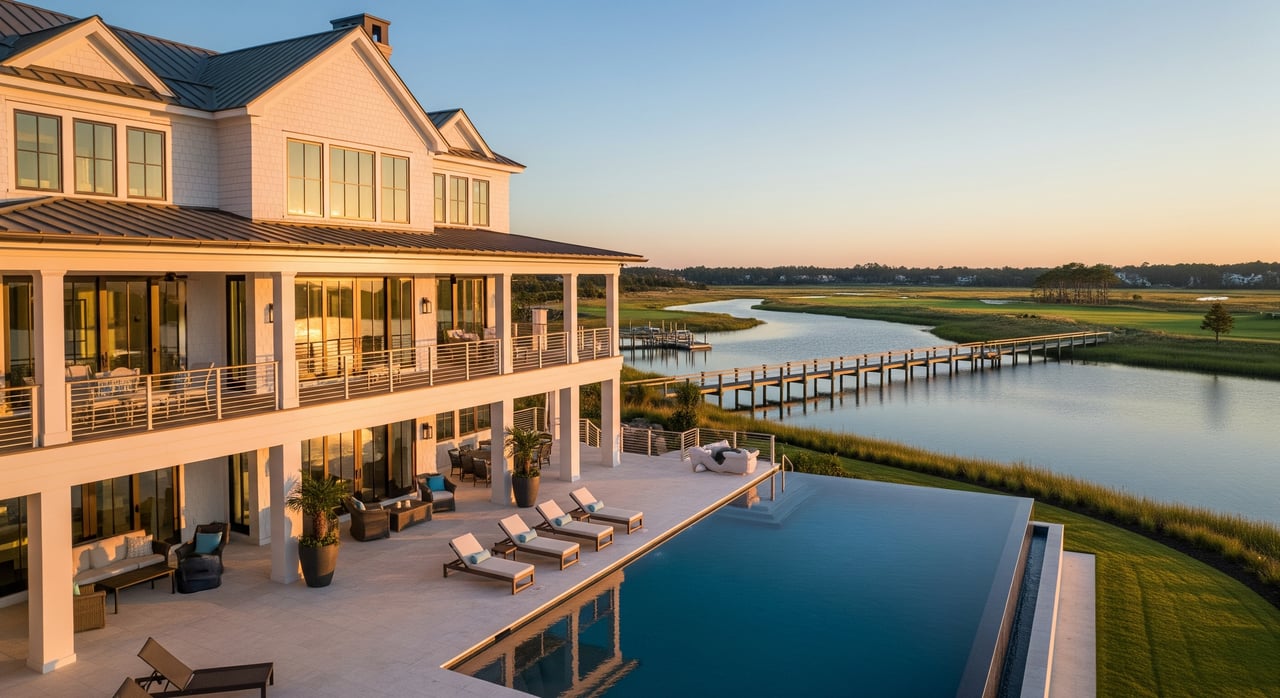
Beyond the views, the value is in access. Communities here often feature private boat ramps, community docks, and resort-style amenities. Waterfront homes usually command a premium, which reflects both limited supply and the lifestyle many buyers seek.
Communities along the Waterway
The Bluffs
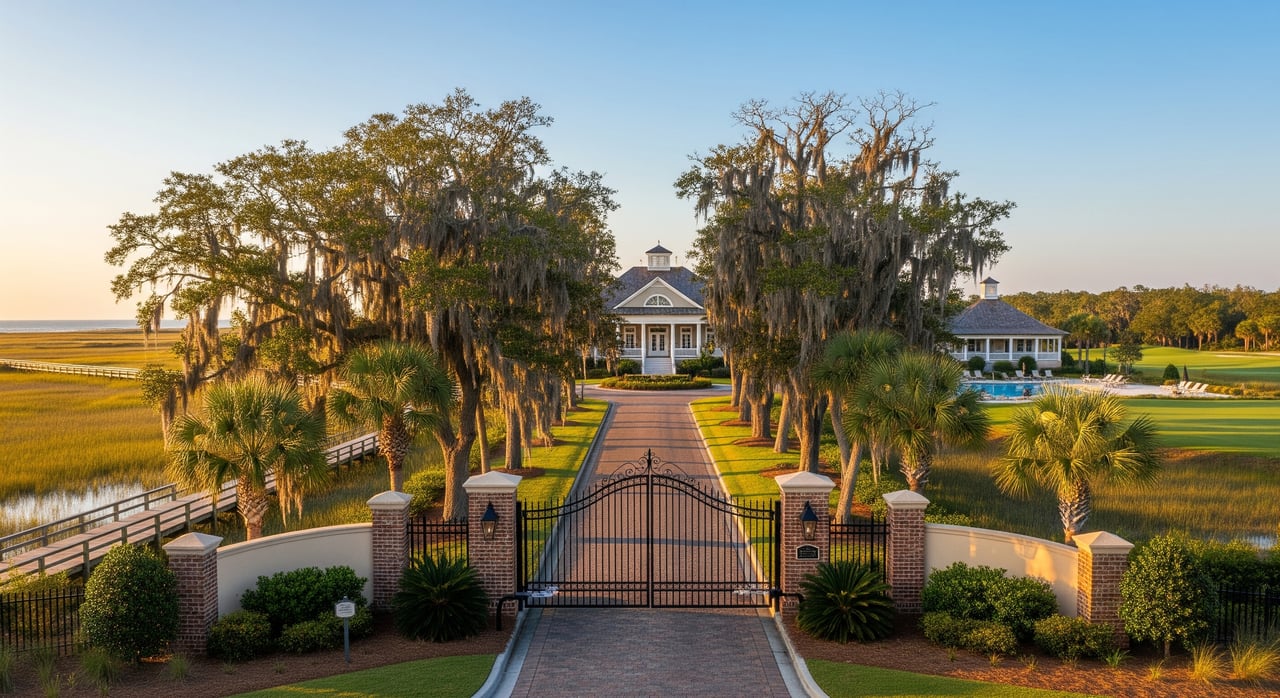
Expect a gated feel in many sections, canal-front opportunities, and neighborhood amenities like pool and trails in certain phases. Some homes back to bulkheaded shorelines that make dock ownership and maintenance more straightforward. Always confirm current amenity lists, HOA rules, and any dock restrictions before you write an offer.
Waterway Palms
This community often appeals to boaters who want close ICW connectivity for small to midsize recreational boats. You’ll see homes with porches, elevated details, and a strong streetscape. Verify HOA guidelines for dock design, boat lifts, and vessel size to ensure your plans match what’s allowed.
Carolina Waterway Plantation
Buyers find waterfront parcels, canal access, and community docks in select areas. Rules for rentals, exterior finishes, and boat storage vary by phase and lot. Ask for the most recent covenants, meeting minutes, and budget to get a clear picture of costs and community standards.
Boating and navigation basics
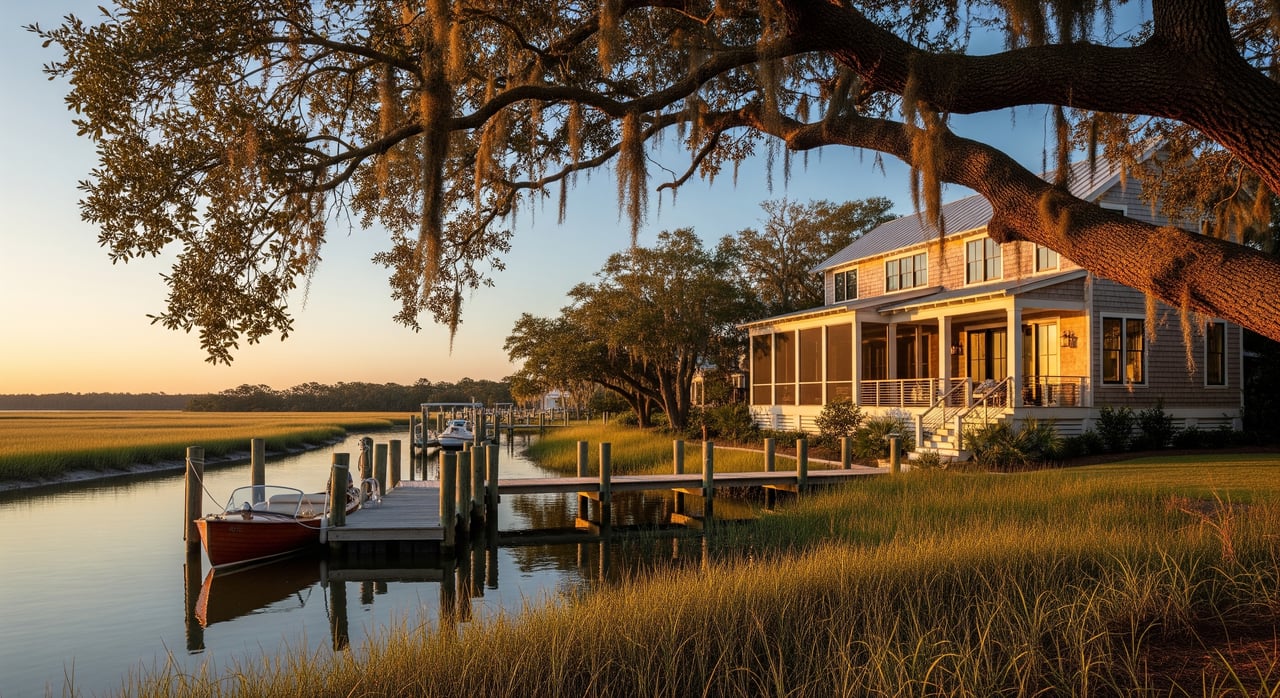
The ICW is a tidal, protected route. Water depths can vary with tides and seasonal shoaling, and residential canals are often shallower than the main channel. Many private docks suit small to midsize powerboats or center consoles; larger vessels often rely on nearby marinas for deep-water slips.
If you run a higher-profile boat, plan for bridge clearances on your route. Before adding a new dock or lift, you’ll typically need approvals from the U.S. Army Corps of Engineers, South Carolina environmental authorities, Horry County, and your HOA. Start that conversation early so your closing timeline stays on track.
Property features that matter
- Bulkheaded shoreline vs. natural bank, which affects stability, permit scope, and maintenance.
- Existing dock or pier condition, including pilings, fasteners, and decking.
- Lot elevation relative to sea level and recorded easements or riparian rights.
- Home design choices that improve resilience, such as elevated foundations and durable exterior materials.
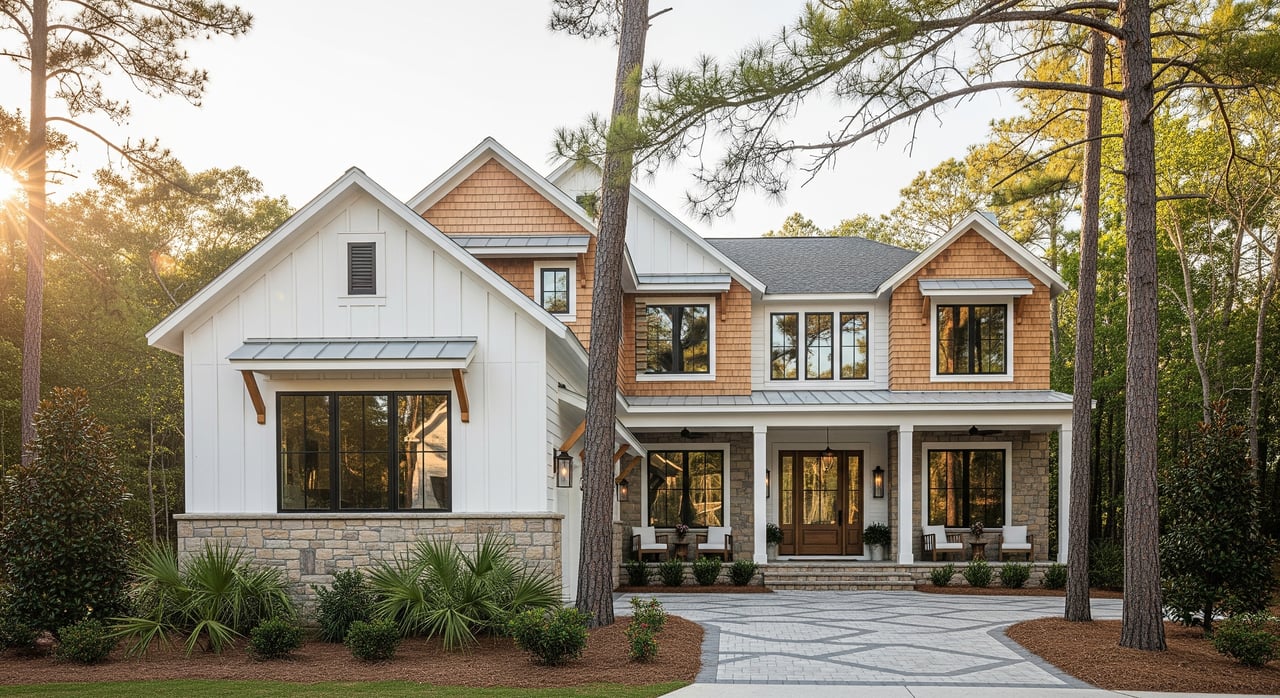
Newer builds frequently highlight wind and water-resilient construction, but you should still verify elevation and any flood mitigation improvements. Ask for documentation where available.
Flood, insurance, and resilience
Waterfront homes often sit in FEMA-designated flood zones. An elevation certificate helps insurers price risk and can influence your premium. You’ll typically carry homeowners insurance, with wind and hail sometimes separated in coastal markets, plus flood insurance through the NFIP or a private carrier.
Coastal storms can bring surge and heavy rain. Elevated designs and well-maintained drainage help reduce exposure, but no design removes risk entirely. Request the property’s historical insurance claim information when available so you can budget with confidence.
HOA rules you should verify
Most ICW-side communities operate under an HOA that maintains amenities and enforces standards. Common topics include dock design, boat storage, exterior materials, and rental policies. Fee amounts, what they cover, and any special assessments vary by community.
Ask for the covenants, recent meeting minutes, budgets, and reserve studies. If you plan to rent seasonally, confirm policy details in writing. The right HOA fit makes waterfront living easier and more enjoyable.
Maintenance and ongoing costs
- Bulkheads and docks need periodic inspections and repairs. Replacement cycles vary by material, exposure, and use.
- Dredging of residential canals is regulated and costly. Some HOAs coordinate dredging of shared channels; costs and schedules differ by neighborhood.
- Shoreline vegetation and erosion control may require permits and specialized contractors.
- Utilities differ by section. Some areas are on public water and sewer; others may use septic. Verify the service type and the status of lateral connections.
These items do not have to be obstacles. They are simply part of the ownership picture and are manageable with the right team and planning.
Smart buying game plan
A clear process helps you secure the right home and avoid surprises. Use this framework:
Set focused search criteria
- Target neighborhoods: The Bluffs, Waterway Palms, Carolina Waterway Plantation.
- Features: canal or ICW frontage, bulkhead, private dock, lift, or community boat ramp.
- Risk and cost: flood zone, elevation certificate, HOA fees, and rental policies.
Due diligence and inspections
- Title and deed: confirm riparian rights, recorded dock agreements, and maintenance obligations.
- Elevation and flood: obtain FEMA zone info, an elevation certificate, and any flood or insurance claim history.
- Marine structures: hire a marine contractor to inspect docks, pilings, bulkheads, and signs of erosion.
- Home systems: complete standard inspections for roof, HVAC, electrical, plumbing, and visible foundation elements.
- Utilities: verify whether the property is on public sewer or septic and review recent service records.
- Permitting: confirm that any existing dock, lift, or shoreline work was permitted and built to code.
- Insurance: gather homeowners and flood quotes before final negotiations to understand total cost of ownership.
- HOA documents: review CC&Rs, budgets, meeting minutes, and reserves for upcoming projects or assessments.
Close with confidence
Line up the right professionals. A local real estate advisor, marine contractor, insurance broker, and surveyor or elevation-certificate provider help you move quickly and protect your interests.
Day-to-day lifestyle
Living on or near the ICW means your weekends often start on the water. Mornings might be quiet coffee on the porch, followed by a cruise to a favorite waterfront stop. Afternoons can be pool time, bike rides, or a quick casting session near the marsh.
Even when you are not boating, you benefit from scenic views, neighborhood amenities, and a relaxed pace. It is a lifestyle centered on access and ease, with city conveniences still close by.
Work with a trusted local guide
If ICW living in Carolina Forest is on your wish list, you deserve a smooth, high-touch experience. From curated property alerts to private tours and remote-ready closings, you can explore confidently with a proven coastal specialist by your side. Ready to map your search or fine-tune your timeline? Connect with Angela Bohnaker to Request a Home Valuation or Join Exclusive Property Alerts.
FAQs
What is the Intracoastal Waterway near Carolina Forest?
- It is a tidal, protected boating route that runs along the South Carolina coast and provides convenient access for recreation and day trips by water.
Which Carolina Forest communities offer ICW access?
- Buyers often focus on The Bluffs, Waterway Palms, and Carolina Waterway Plantation, with specifics on boat ramps, docks, and amenities varying by neighborhood.
Can I keep my boat at my dock in these neighborhoods?
- It depends on dock design, canal depth, vessel length and draft, permits, and HOA rules, so verify all requirements for your specific lot.
Do I need flood insurance for an ICW or canal-front home?
- Many waterfront homes fall within FEMA flood zones, and lenders often require flood insurance; premiums depend on elevation and mitigation features.
What maintenance should I expect for docks and bulkheads?
- Plan for periodic inspections and repairs to pilings, fasteners, and decking, with replacement cycles driven by materials, exposure, and usage.
Are short-term rentals allowed in these ICW communities?
- Rental rules are set by each HOA, so review the covenants and confirm in writing before you rely on rental income.
How long is the drive from Carolina Forest to Myrtle Beach?
- Drive times typically range from 15 to 30 minutes depending on your exact location and traffic patterns.
What permits are required to add a new dock or boat lift?
- Approvals usually involve the U.S. Army Corps of Engineers, South Carolina environmental authorities, Horry County, and your HOA; start early to avoid delays.