Shopping for a gated community in Pawleys Island but not sure which amenities truly add value? You want comfort, convenience, and a strong resale story without unexpected costs. In this guide, you’ll learn how to compare communities side by side using a clear, practical checklist tailored to our coastal market. Let’s dive in.
Pawleys Island gated living at a glance
Pawleys Island and nearby mainland areas offer gated neighborhoods that blend beach proximity with resort-style features. You’ll see communities focused on waterfront access, golf and country-club amenities, and low-maintenance living. Many buyers choose gated living for privacy, managed common areas, and social programs. Others look for rental-friendly policies for vacation or long-term income.
Before you compare, be clear about your lifestyle goals. Prioritize the amenities you will use often, then align those with costs, rules, and long-term upkeep.
Compare amenities like a pro
Security and access control
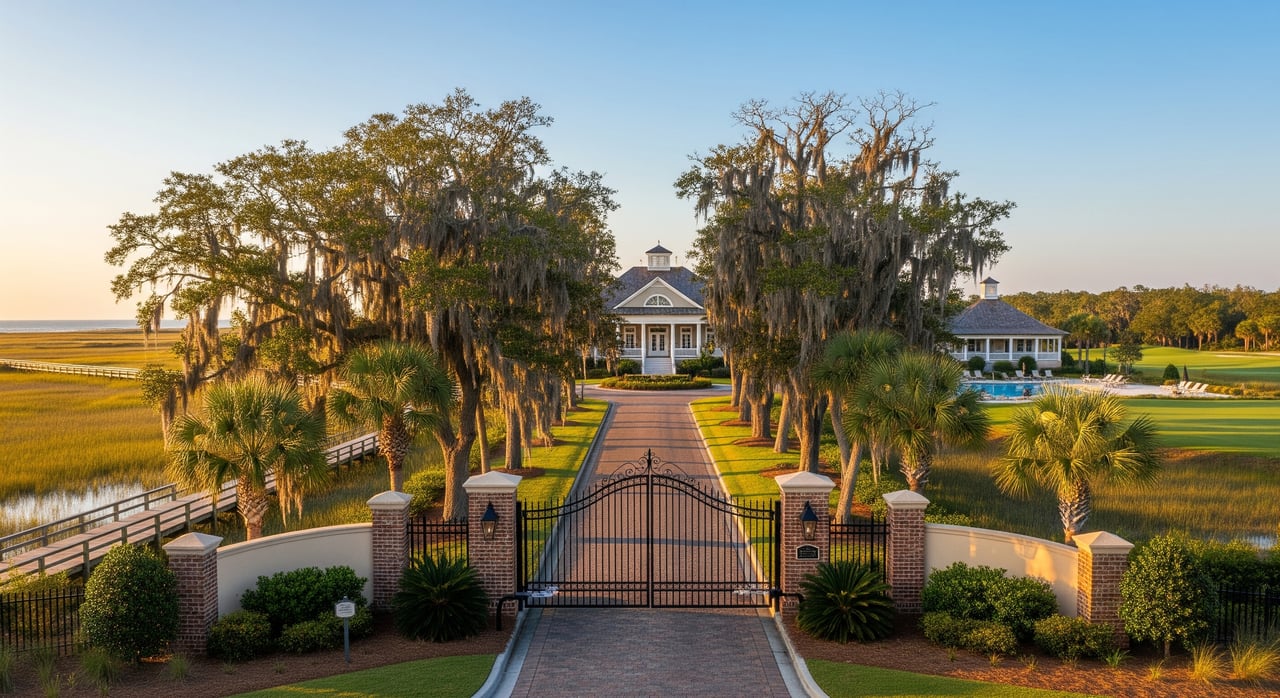
- What to look for: staffed guardhouse vs. electronic gates, visitor management, cameras, lighting, and emergency access.
- On paper: staffing hours, access rules in CC&Rs, contractor and delivery protocols, liability clauses.
- Tradeoffs: staffed entry can raise HOA dues but adds screening; electronic gates reduce operating costs yet may require more maintenance.
- Value impact: perceived security can support resale for some buyers and may affect short-term rental logistics.
Beach and waterfront access
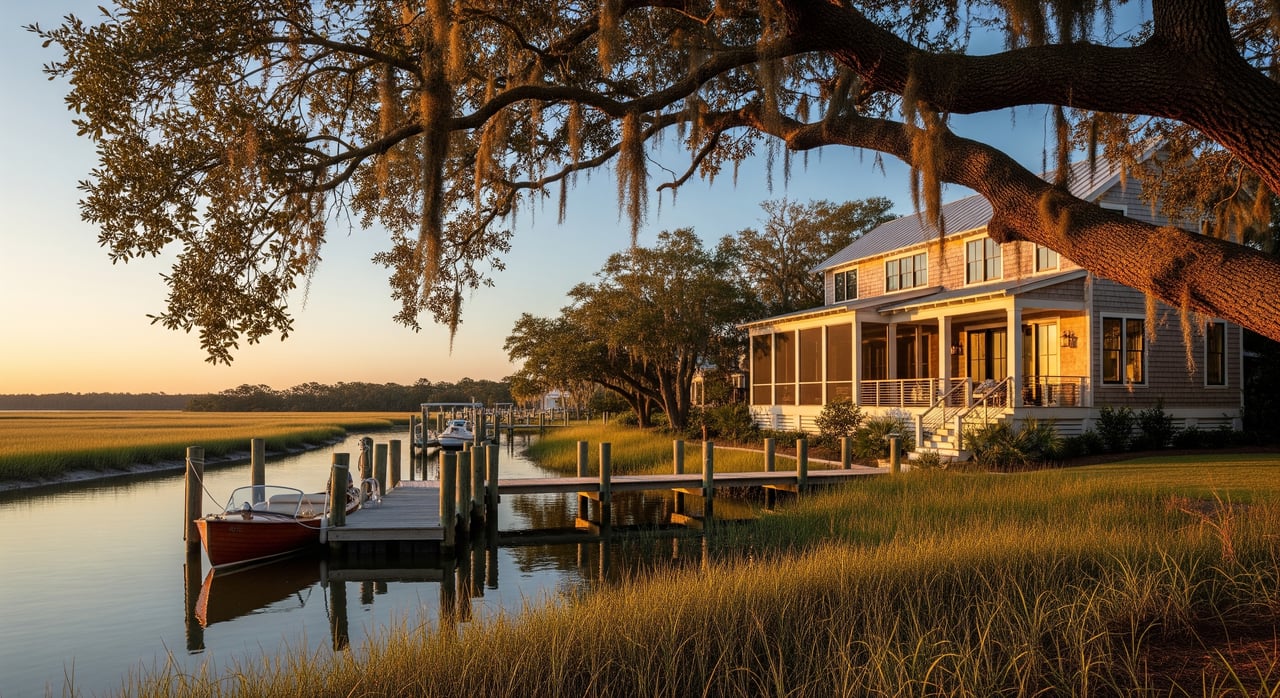
- Features: private boardwalks, deeded beach access, dune care, shared or private piers, docks, and kayak launches.
- On paper: easements, maintenance responsibilities, seasonal limits, boating slip ownership and wait lists.
- Tradeoffs: premium lifestyle benefits often come with higher insurance and possible special assessments for coastal projects.
- Insurance: coastal flood zones typically require flood insurance; eligibility and cost vary by elevation and map zone.
Recreation and fitness
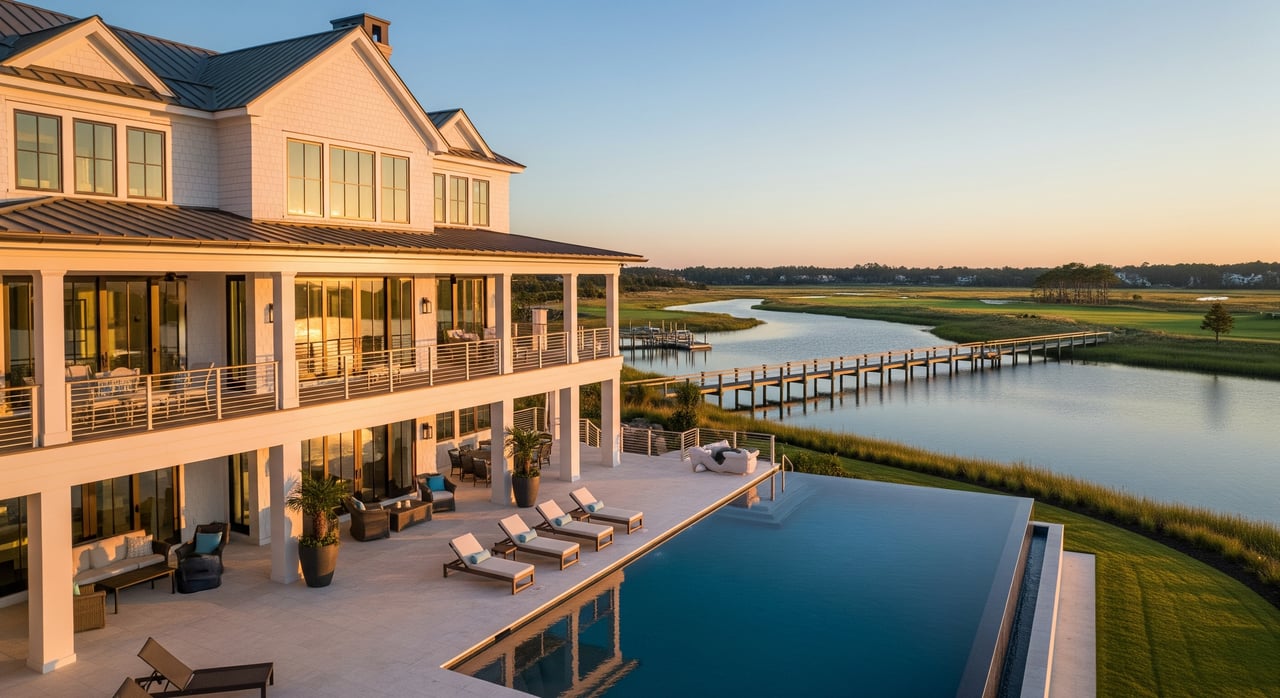
- Features: pools, fitness centers, tennis and pickleball, trails, playgrounds, and group classes.
- On paper: hours, reservation systems, guest limits, and maintenance schedules.
- Tradeoffs: larger amenity packages raise dues and upkeep; consider how often you will use each feature.
Clubhouse, dining, and social programs
- Offerings: event spaces, on-site dining or snack bars, clubs and classes, concierge or on-site management.
- Consider: membership structures, guest and reservation policies, and any fees beyond standard HOA dues.
- Value: active programming can enhance lifestyle and appeal, though private club models may add user fees.
Golf courses and services
- Features: private or semi-private golf, practice areas, lessons, and pro shops.
- Consider: who owns and funds the course, public vs. private memberships, and maintenance standards.
- Tradeoffs: golf communities often have higher dues and seasonal traffic; they can be strong drivers for golf-focused buyers.
Maintenance, services, and management
- Services: landscaping, irrigation, exterior maintenance, road upkeep, pest control, trash and recycling, security patrols, beach and dune care.
- On paper: what dues cover versus pay-per-service, management contracts, maintenance frequency, reserve funding.
- Tradeoffs: higher-service neighborhoods reduce homeowner chores but increase dues.
Infrastructure and connectivity
- What to check: public vs. private roads, water and sewer systems, stormwater drainage, broadband availability, street lighting and sidewalks.
- Why it matters: private roads and septic can increase future costs and affect rental or occupancy limits; reliable broadband supports remote work.
Governance, rules, and restrictions
- Key rules: rental limits, pet policies, architectural review requirements, exterior modification procedures, and any age restrictions.
- Review: CC&Rs, bylaws, rules and regulations, board meeting minutes, and any past or pending disputes.
- Impact: clear governance protects community standards; rental limits can shape investment potential.
Financials: dues, special assessments, reserves
- Compare: dues structure and what they include, club or food and beverage minimums, history of special assessments, and reserve fund strength.
- Request: the latest budget, reserve study, audits, and dues history for 3 to 5 years.
- Why important: a well-funded HOA supports stable dues and helps preserve property value.
Environmental resilience and insurance
- Consider: FEMA flood zone, elevation relative to base flood elevation, storm-surge exposure, and dune or shoreline projects.
- Insurance: confirm typical flood and wind coverage needs and any HOA master policy details for common areas.
- Construction: newer or updated homes may reflect current coastal codes and resilience standards.
How to evaluate a community step by step
Request core documents
- CC&Rs, bylaws, and rules and regulations.
- Latest HOA budget, balance sheet, and most recent reserve study.
- Board meeting minutes for the last 12 to 24 months.
- Management contracts and staffing details, including security.
- Insurance policies for common areas and any claim history.
- Deeds and plats for easements, community maps, and beach or dock rights.
- Rental and occupancy policies and architectural review guidelines.
- Any pending litigation or liens involving the HOA.
Check public records and data
- Georgetown County property tax and parcel records.
- County GIS for flood overlays, boundaries, and road ownership.
- FEMA flood maps to confirm risk zones.
- South Carolina Department of Insurance for coastal insurance guidance.
- Local permits for build dates and code compliance.
- MLS data for recent sales and days on market to gauge demand.
Tour in person, more than once
- Visit weekdays, weekends, and evenings to observe traffic, noise, and gate operations.
- Inspect the condition of pools, courts, docks, landscaping, and roads.
- Verify signage and access points for beach paths, marinas, or launches.
- Ask to view storage, parking, elevators, and common areas if applicable.
- When appropriate, ask residents about ongoing projects, enforcement culture, and service reliability.
Buyer comparison checklist
Use this list to compare communities side by side.
- Dues and coverage: what do HOA dues include; any separate club fees or minimums.
- Reserve health: presence of a reserve study and funded percentage.
- Assessments: any current or planned special assessments.
- Security: staffing hours, gate reliability, visitor management, lighting, and cameras.
- Beach/water: deeded access, boardwalk condition, dock ownership, slip wait lists, and maintenance responsibility.
- Recreation: pool and fitness access, court condition, reservation systems, and guest limits.
- Clubhouse/dining: hours, access rules, event calendars, and added fees.
- Golf: membership model, course ownership, and maintenance standards.
- Services: landscaping, exterior upkeep, road maintenance, trash, pest control, and beach or dune care.
- Infrastructure: public vs. private roads, sewer and water systems, drainage, and broadband.
- Rules: rental lengths, pet policies, architectural review timelines, and any age restrictions.
- Risk and insurance: flood zone, elevation, wind coverage requirements, and any history of storm repairs.
Red flags to watch
- Missing or outdated reserve studies or low reserve funding.
- Large recent special assessments or frequent dues increases without clear plans.
- Visible deferred maintenance on pools, docks, roads, or landscaping.
- Unclear beach or dock easements or ownership.
- Ongoing disputes, litigation, or frequent rule enforcement conflicts.
- Strict rental bans if you require investment flexibility.
- Repeated insurance claims or gaps in the master policy.
Local factors that shape value
Pawleys Island sits in a coastal, hurricane-aware zone, so flood maps and elevation are key inputs. Rental demand exists due to tourism, though many gated communities set rental limits that affect income potential. Clarify what is public versus private, including roads and utilities, because that can change costs and responsibilities. When in doubt, consult a local real estate professional, an insurance agent, or a real estate attorney familiar with South Carolina HOA law.
Match amenities to your lifestyle
- Waterfront focus: prioritize deeded beach access, dune care plans, and dock or launch availability.
- Golf and club life: look for course ownership details, membership options, and social programming.
- Low-maintenance: seek communities that include exterior landscaping and clear maintenance standards in dues.
- Resort-style: weigh pools, fitness, concierge, and event calendars against added fees.
- Rental-friendly: verify rental length minimums and any seasonal or occupancy limits.
Your next step
If you want a curated short list, document review, and on-site or Zoom tours tailored to your goals, you are in the right place. With a concierge approach and local access, you can compare communities confidently and avoid surprises. For a private consultation, property alerts, or a data-backed pricing opinion, connect with Angela Bohnaker.
FAQs
What should I compare first in Pawleys Island gated communities?
- Start with dues and coverage, rental rules, beach or dock rights, and reserve funding, then layer in security, recreation, and clubhouse features you will use most.
How do HOA dues typically work in these communities?
- Dues vary by amenity level; confirm what is included, any separate club or dining fees, and the 3 to 5 year history of dues changes and special assessments.
How do rental rules affect investment potential?
- Minimum rental periods and other limits can reduce income options; confirm written policies, approval steps, and any local ordinances that add requirements.
What should I know about flood and wind insurance near the coast?
- Verify the FEMA flood zone, elevation, and wind coverage needs; insurance availability and cost depend on these factors and the community’s construction standards.
How can a local agent help me compare communities faster?
- A local advisor can pre-screen documents, coordinate tours, flag red flags, explain costs and rules, and streamline remote viewings or closings when needed.